
For local businesses, one of the biggest marketing challenges isn’t simply reaching people. It’s reaching the right people.
Traditional advertising often casts a wide net, but not every impression is valuable. When your audience is limited to specific neighborhoods, cities, or regions, broad targeting can waste budget and dilute your message.
That’s where geotargeted advertising becomes powerful.
By focusing on specific locations, businesses can deliver messages to the audiences most likely to become customers. Whether through radio, digital ads, or streaming platforms, geotargeted strategies help local brands connect with their communities more effectively.
When done well, local audience targeting improves relevance, strengthens brand awareness, and supports smarter marketing decisions for local businesses.
What Geotargeted Advertising Is and How It Works
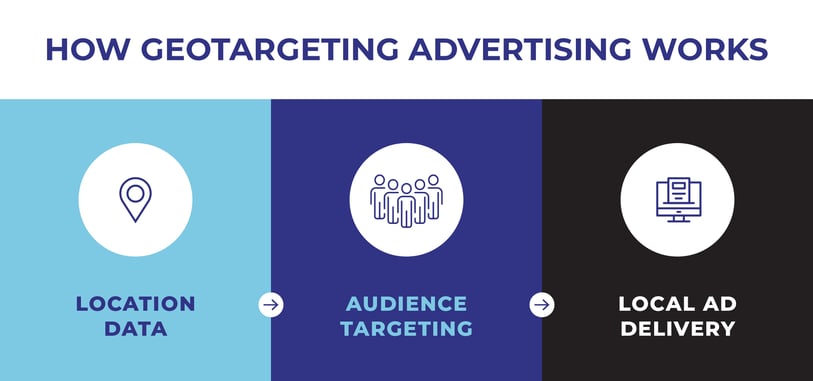
Geotargeted advertising is a marketing approach that delivers ads to audiences based on their geographic location.
Instead of advertising broadly across large regions, businesses can target audiences in defined areas such as:
-
Cities or metro areas
-
Specific ZIP codes or neighborhoods
-
Areas surrounding a retail location
-
Regions where services are offered
This allows marketing campaigns to focus on audiences who are most likely to visit, purchase, or engage.
Common Targeting Methods Used in Local Campaigns
Several strategies support geotargeted advertising:
-
Geographic targeting
Ads are served within defined regions like cities or ZIP codes.
-
Location-based targeting
Mobile and digital ads reach users based on real-time or recent location data.
-
Market-level targeting
Radio and streaming campaigns focus on specific local markets where businesses operate.
Each of these approaches helps align marketing spend with real-world customer locations.
Reach-Based vs. Location-Based Strategies
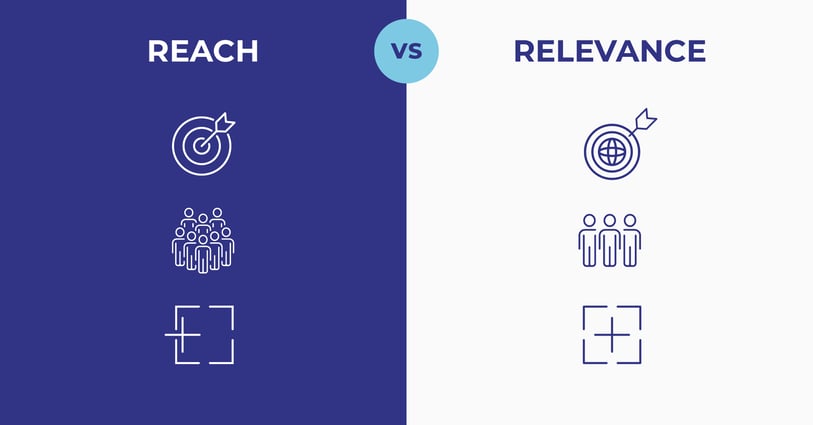
Reach-based advertising focuses on a broad audience size, while location-based strategies prioritize relevance.
For local businesses, reaching fewer people, but the right people, often produces better results. Geotargeted campaigns make sure your message is seen by audiences who can realistically become customers.
Why Geotargeted Advertising Is Effective for Local Businesses
Improving Local Audience Targeting
Local businesses operate within defined communities.
Geotargeted advertising helps businesses reach consumers who:
-
Live nearby
-
Work nearby
-
Travel through specific areas
-
Participate in local events or activities
This improves local audience targeting and ensures that marketing messages align with how people actually move through their communities.
When marketing reflects local behaviors and locations, it becomes more relevant — and relevance increases engagement.
Supporting Local Reach Advertising Goals
For many businesses, awareness within a specific market is the most important goal.
Local reach advertising focuses on building familiarity and recognition within a defined geographic area.
Geotargeted campaigns support this by:
-
Reinforcing brand visibility within priority markets
-
Increasing message frequency where it matters most
-
Reducing wasted impressions outside service areas
This kind of efficiency allows businesses to invest their marketing budget more strategically.
Where Geotargeted Advertising Is Used
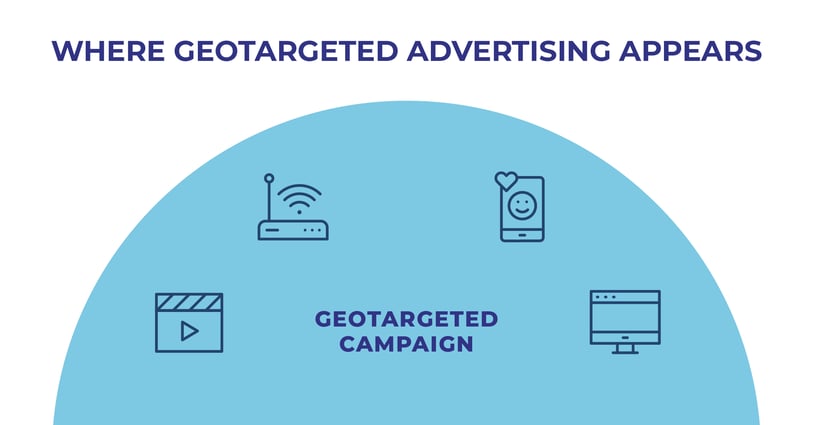
Today’s media environment offers many ways to implement geotargeted strategies.
Digital Display and Mobile Advertising
Display ads, mobile ads, and social campaigns can be targeted by location, ensuring that marketing messages appear only within relevant geographic areas.
This allows businesses to connect with audiences while they browse websites, use apps, or engage on social platforms.
Streaming Audio and Video
Streaming platforms make it possible to target local audiences through digital audio and OTT video advertising.
These platforms combine geographic targeting with demographic and behavioral insights, helping businesses reach the right audience with precision.
Event-Driven or Location-Specific Campaigns
Geotargeted advertising also works well for time-sensitive or location-driven campaigns, such as:
-
Grand openings
-
Local promotions
-
Community events
-
Seasonal campaigns
By focusing on the immediate area surrounding an event or promotion, businesses can generate stronger local engagement.
How Geotargeted Advertising Fits Into a Broader Media Strategy
While geotargeted advertising is powerful on its own, it works best when integrated into a broader media strategy.
Supporting Radio and Awareness Initiatives
Radio remains one of the most effective ways to build awareness within local markets.
Geotargeted digital advertising can complement radio campaigns by reinforcing messaging online and reaching audiences who have already been exposed to a brand.
This combination strengthens recall and increases overall campaign effectiveness.
Retargeting Audiences Across Channels
Integrated campaigns allow businesses to retarget audiences who have interacted with previous ads.
For example:
-
Someone hears a brand on the radio
-
Later sees a digital display ad
-
Then encounters a streaming video message
Each interaction reinforces the brand story and moves the audience closer to action.
Driving Local Consideration and Response
By combining radio awareness with digital precision, businesses can guide audiences from recognition to consideration and response.
This type of media mix optimization ensures that marketing efforts work together rather than operating in silos.
With the right local market media expertise, businesses can create coordinated strategies that maximize impact within their communities.
Best Practices for Geotargeted Advertising Campaigns
Define Geography Intentionally
Successful campaigns begin with clearly defined markets.
Businesses should identify where their customers live, travel, and shop. Then, structure advertising around those areas.
Match Creative to Local Context
Geotargeted advertising works best when messaging reflects the local environment.
References to neighborhoods, communities, or local experiences make marketing feel more relevant and authentic.
Measure Impact Beyond Clicks
Clicks and impressions tell only part of the story.
Local campaigns should also measure:
-
Brand awareness
-
Market penetration
-
Customer engagement
-
In-store or service inquiries
Looking at the full picture helps businesses understand how marketing contributes to growth.
Download the 2026 Local Advertising Trends Report
Understanding how location-based strategies fit into modern marketing is essential for businesses competing in local markets.
Our 2026 Local Advertising Trends Report explores the strategies, technologies, and media approaches shaping how businesses connect with their communities.
Download the report to learn:
-
Key trends influencing local advertising
-
How businesses are optimizing their media mix
-
Strategies for reaching audiences more effectively
